
Services & Techniques
-
A lot of information can be gained by simply watching a person walk. Dr. Tyler Musgrave will spend time watching your feet, ankles, knees, hips, back, and arms while you walk. Findings from this will lead to more focused screens and tests to find the weakest link in your body's chain, which causes a break down and the production of pain.
If custom orthotic posting is necessary, we will work closely with the orthotic lab to create a custom orthotic that is specific to your foot and provides the necessary correction(s).
-
What It Is
A gentle, non-force chiropractic technique used to treat disc injuries and lower back pain.How It Works
Using a specialized adjusting table, the doctor carefully stretches and flexes the spine in slow, controlled movements while applying targeted chiropractic adjustments.This reduces pressure inside spinal discs and improves mobility.
What It Helps With
Herniated discs
Sciatica
Spinal stenosis
Facet joint pain
Chronic lumbar pain
Why Patients Like It
It’s extremely gentle — ideal for patients who are sensitive to traditional adjustments or in acute pain.This results in a negative intradiscal pressure and passive pumping of the disc to increase fluid exchange. The result is possible reduction of bulging and herniated discs as well as an improved function of the degenerated discs to reduce pain and slow/prevent further degeneration.
Patients who might benefit from Cox Technique include:
Those with bulging/herniated discs
Those with degenerative discs
Those with spinal stenosis (narrowing around the spinal nerves)
-
Graston technique is instrument-assisted, soft-tissue management utilizing six differing stainless steel instruments that conform to differing body regions. Graston instruments are used by numerous professional and collegiate teams to help manage and rehabilitate overuse and adhesive soft tissue injuries.
Treatment creates a "controlled micro-trauma" to the involved tissues that in turn signal the body's reparative components to realign and release the gummed up and dsyfunctional tissue.
Conditions commonly treat by Graston include:
Tennis elbow
Plantar fascitis
Rotator cuff syndrome
Bursitis
Tendonitis/tendonosis
-
What It Is
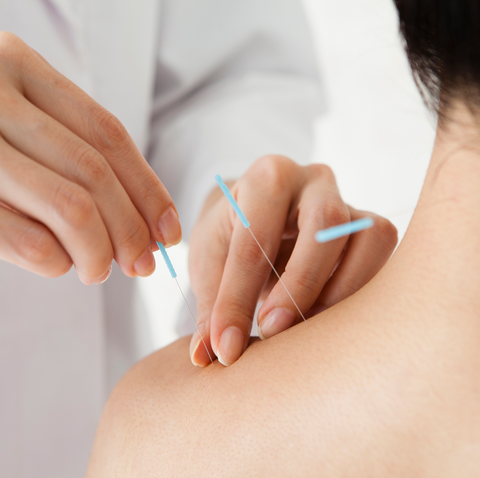
Dry needling and acupuncture both involve the use of very thin, sterile needles placed into specific points in the body to relieve pain and improve function.How It Works
In dry needling, the provider targets tight muscle bands (trigger points) that may be causing pain, tension, or limited mobility. The needle helps release muscle tightness, improve blood flow, and reduce inflammation.Acupuncture follows traditional Eastern medicine principles, stimulating energy pathways to restore balance and promote healing throughout the body.
What It Helps With
Muscle knots & tension
Neck and back pain
Headaches & migraines
Sports injuries
Chronic pain conditions
What Patients Feel
Most patients feel little to no discomfort — often just a small pinch or muscle twitch — followed by deep relief and relaxation. -
What It Is
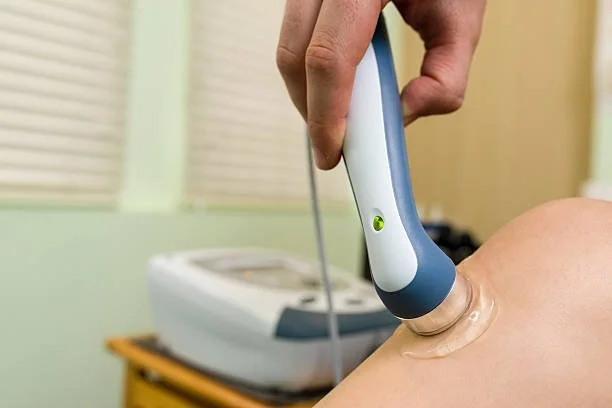
Ultrasound therapy uses sound waves (not electrical stimulation) to promote healing in muscles, joints, and soft tissues.How It Works
A handheld device glides over the skin, sending gentle sound waves deep into the tissue. These waves create therapeutic heat and microscopic vibrations that:Increase circulation
Reduce inflammation
Break down scar tissue
Accelerate healing
What It Helps With
Tendonitis
Bursitis
Muscle strains
Ligament sprains
Joint stiffness
What Patients Feel
A gentle warming sensation — comfortable and relaxing. -
What It Is
A non-surgical traction therapy designed to relieve pressure on spinal discs and nerves.How It Works
You lie comfortably on a specialized table while gentle, controlled stretching creates space between the vertebrae. This negative pressure helps:Reposition bulging or herniated discs
Reduce nerve compression
Improve nutrient flow to discs
What It Helps With
Herniated or bulging discs
Sciatica
Degenerative disc disease
Chronic low back pain
Pinched nerves
What Patients Feel
A gentle stretching sensation — many find it deeply relieving. -
What It Is
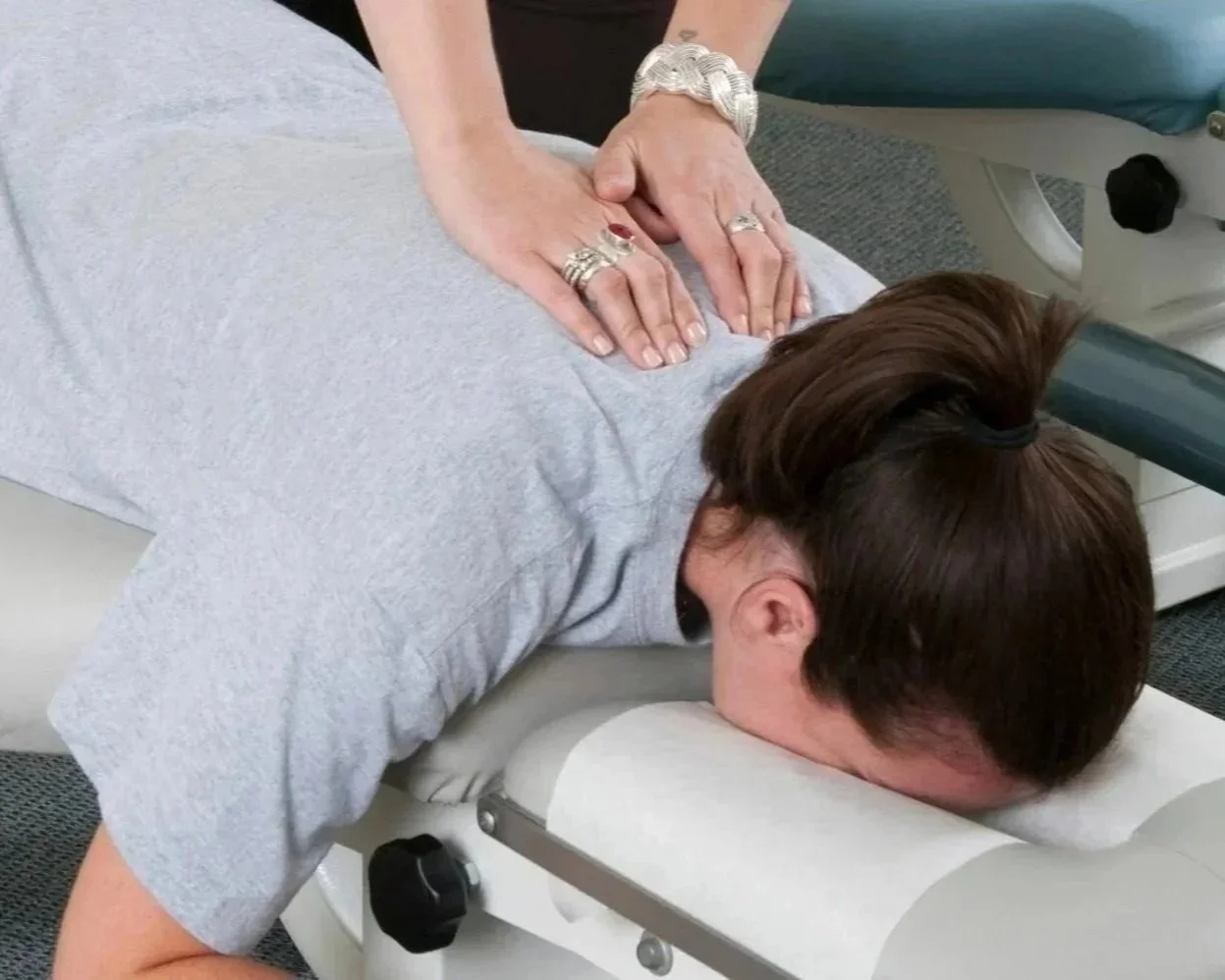
The Spinalator is a mechanical massage and mobilization table that helps relax muscles and improve spinal flexibility.How It Works
While you lie face down, rollers move rhythmically along the spine, gently stretching and mobilizing the back muscles and joints.It helps prepare the body for adjustments or serves as a relaxing therapy on its own.
What It Helps With
Muscle tightness
Back stiffness
Postural tension
Circulation improvement
Relaxation before adjustments
What Patients Feel
A rolling, massage-like motion — many describe it as soothing and stress-relieving. -
What It Is
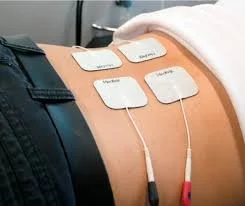
A form of electrical muscle stimulation used to relieve pain and reduce inflammation.How It Works
Small electrode pads are placed on the skin near the injured area. The device sends low-frequency electrical currents that penetrate deep into the tissue.This stimulation:
Blocks pain signals
Reduces swelling
Improves circulation
Encourages muscle relaxation
What It Helps With
Acute injuries
Muscle spasms
Post-adjustment soreness
Joint inflammation
Nerve pain
What Patients Feel
A mild tingling or pulsing sensation — adjustable for comfort. -
What It Is
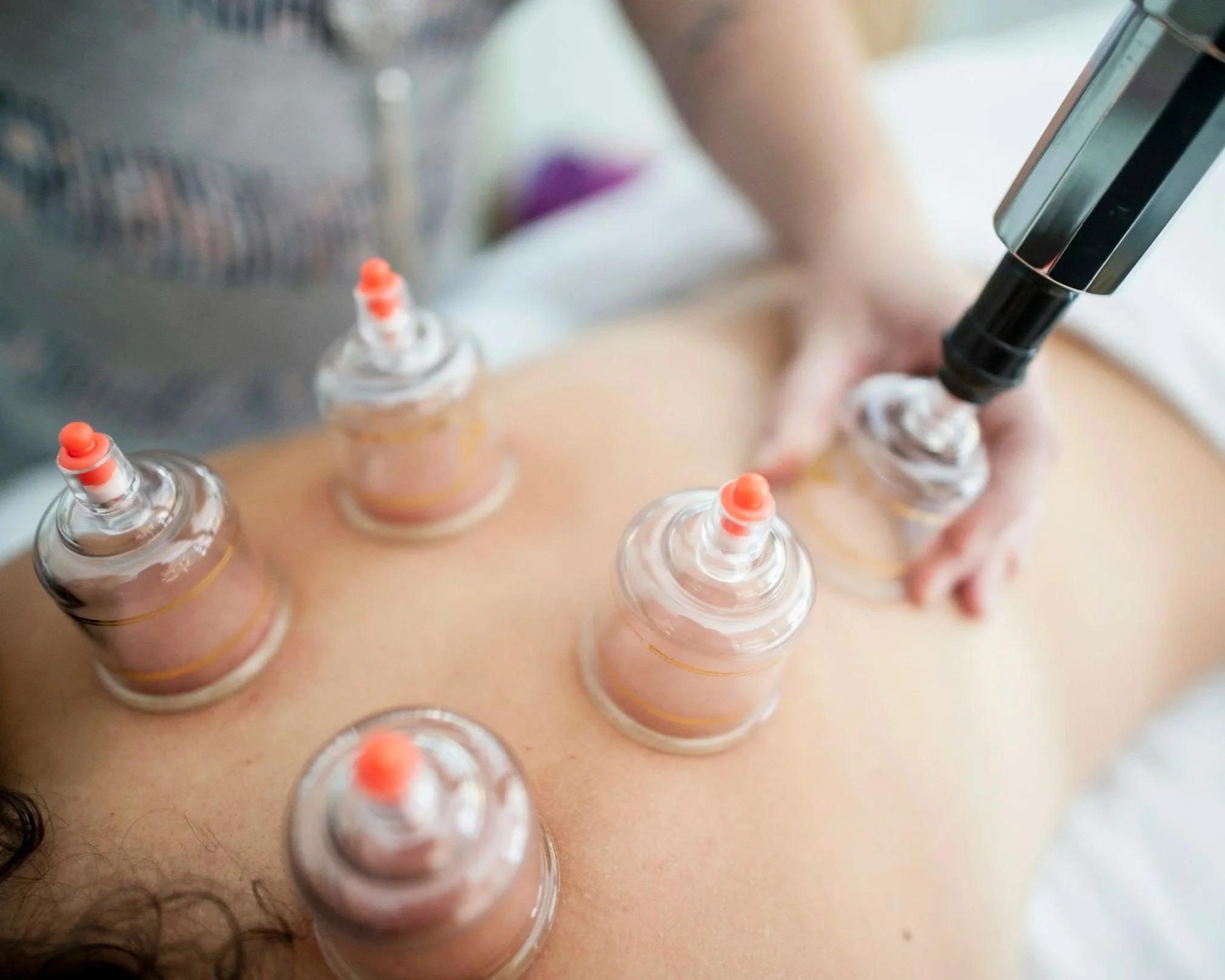
Cupping therapy is a therapeutic technique that uses specialized cups placed on the skin to create gentle suction. This suction helps lift and decompress soft tissues, promoting circulation and supporting the body's natural healing processes.
Used for centuries in various healing traditions, cupping has become a popular complementary therapy for relieving muscle tension, improving mobility, and aiding recovery.
How It Works
During treatment, cups are placed on targeted areas of the body—most commonly the back, shoulders, neck, or legs. The gentle suction created by the cups lifts the skin and underlying tissues, increasing blood flow to the area and helping release tight muscles and connective tissue.
Unlike deep tissue massage, which applies pressure downward, cupping works by lifting and separating tissues, allowing improved circulation and mobility.
What It Helps With
Muscle tension and tightness
Neck and back pain
Shoulder pain
Sports recovery
Headaches and migraines
Reduced range of motion
General aches and soreness
Stress and tension
What Patients Feel
Most patients describe cupping as a gentle pulling or lifting sensation. Many find the treatment deeply relaxing and often notice decreased muscle tension and improved mobility afterward.
Are the Marks Normal?
Yes. Cupping may leave temporary circular marks on the skin. These marks are not bruises and are generally painless. They occur as blood flow is drawn to the treated area and typically fade within several days to two weeks.
Benefits of Cupping Therapy
Promotes circulation
Helps reduce muscle tension
Encourages relaxation
Supports recovery from physical activity
Improves mobility and flexibility
Complements chiropractic adjustments and other therapies
At Havelock Chiropractic Center, cupping therapy is often used alongside chiropractic care and other treatment options to help patients move more comfortably, recover more effectively, and support their overall wellness goals.
At Havelock Chiropractic Center, we take great pride in providing the finest chiropractic care to each and every patient. Not every therapy is right for every patient. Our doctors will recommend treatments based on your specific condition, symptoms, and health goals. We have included information below about the different chiropractic services offered in our Lincoln chiropractic office, but please call us at 402-467-5143 if you have any questions!